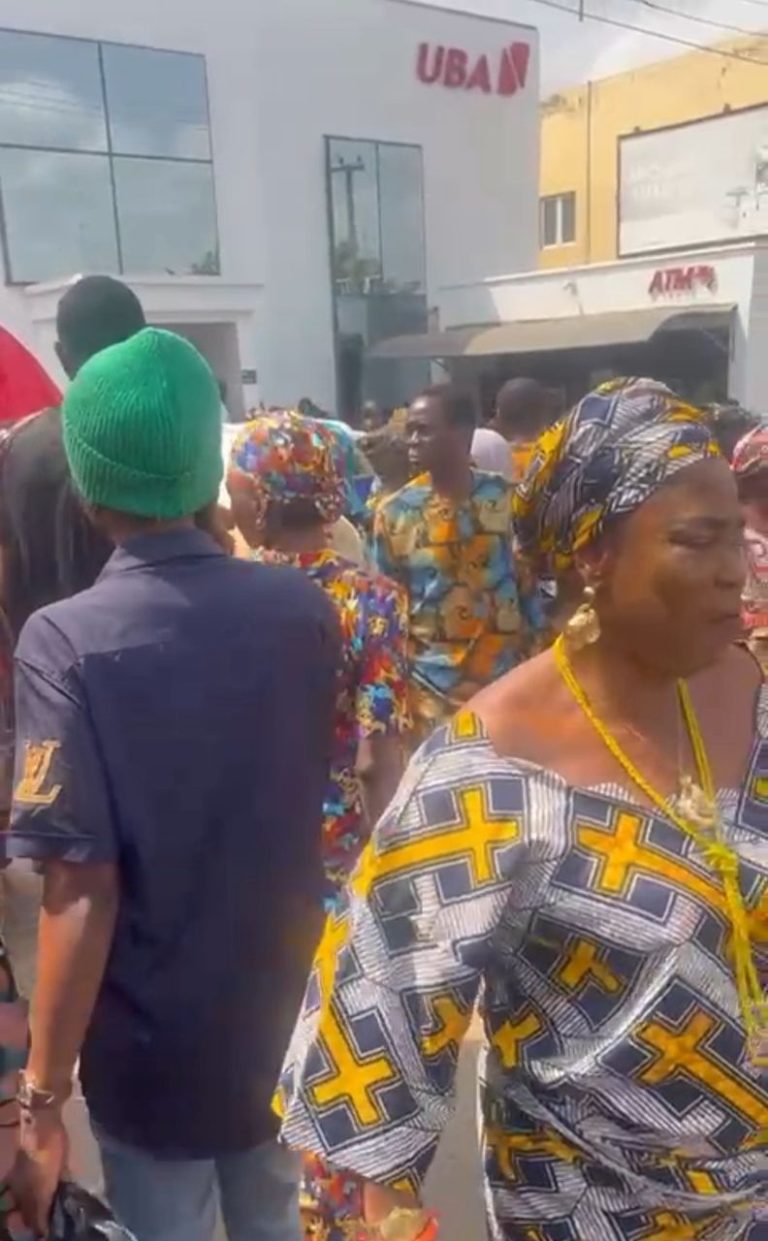
The Network of Civil Society Groups in Osun has condemned the ongoing electricity crisis in Osogbo and surrounding communities, citing prolonged darkness, economic hardship and exploitation by the Ibadan Electricity Distribution Company(IBEDC).
The CSOs made this known in a statement signed on Tuesday by Network of Civil Society Groups in Osun State represented by Olowu Emmanuel – Social Economic and Civil Rights Advocacy; Tobiloba Richards Agboola – Good Governance Initiative; Raufu Sodiq Akinkunmi – Youths for Better Nigeria; Olanrewaju Stephen – Center for Accountability & Democracy and Janet Olayemi Gbadebo – Grassroots Watch.
They noted that despite paying high tariffs,residents and businesses are still not getting the service they deserve, with some areas receiving drastically reduced electricity supply.
They also point out that the Service-Based Tariff framework introduced by the Nigerian Electricity Regulatory Commission (NERC) has not been implemented fairly, with many communities placed in lower supply bands and receiving less electricity than promised.
According to them, “The situation is worsened by the Service-Based Tariff (SBT) framework introduced by the Nigerian Electricity Regulatory Commission (NERC), under which electricity consumers are classified into supply bands guaranteeing minimum hours of power. In reality, many communities in Osun appear to have been placed within lower supply bands, resulting in drastically reduced electricity availability despite continued billing. Despite these arrangements, consumers are still not getting electricity as advertised.”
The CSOs emphasized that this situation is worsening poverty and undermining economic stability in the state, saying “businesses are collapsing, artisans and traders are suffering daily losses, households are forced to rely on expensive alternative power sources, and essential services are being disrupted”, thereby urges IBEDC to take immediate action to restore stable electricity supply.
The groups have given IBEDC 48 hours to meet their demands, and if not, they will mobilize residents, market associations, and community leaders for a peaceful mass protest. “Electricity is not a privilege, it’s a paid-for essential service,” they said, emphasizing that the people of Osun will no longer tolerate neglect and exploitation.
About the Author